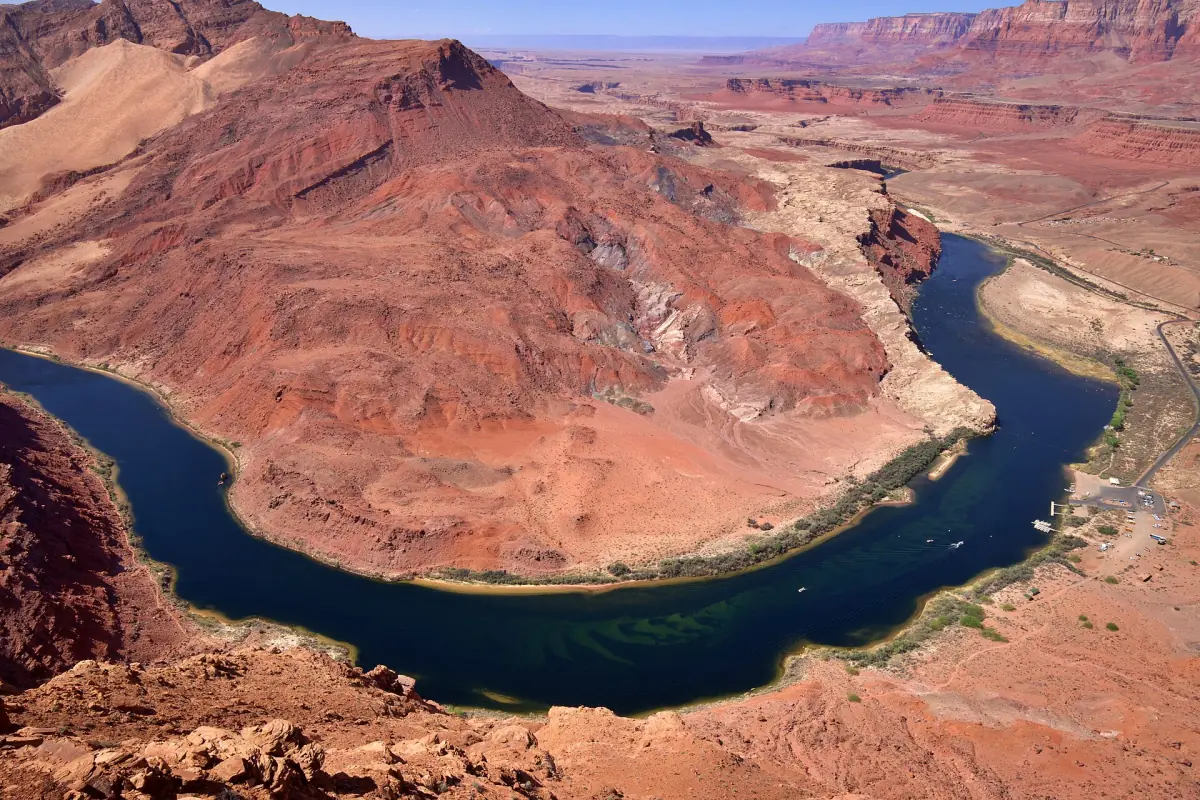
What Lees Ferry is
Lees Ferry is the river access point in Marble Canyon, Arizona, on the Colorado River below Glen Canyon Dam. It is the starting point for rafting trips down the Grand Canyon, a well-known trout fishery and the launch for kayak backhaul trips toward Horseshoe Bend. The area belongs to Glen Canyon National Recreation Area.
The turnoff is on US 89A, west of the Navajo Bridge Interpretive Center, and a paved road leads down to the river. Distances from Page vary by where you start measuring: roughly 42 to 45 miles to the junction area, plus a few miles of access road. Lees Ferry is a separate trip from the Horseshoe Bend overlook, and the dam stands between the lake and this stretch of river.
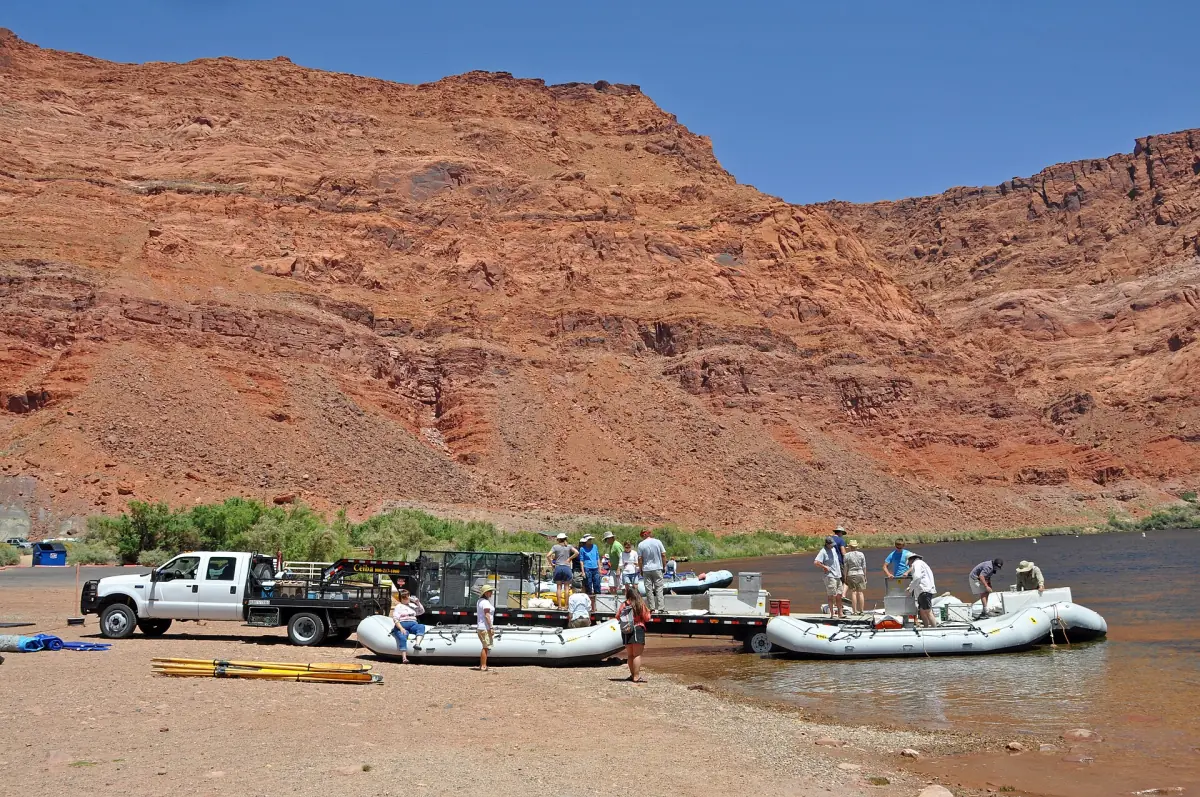
Our pick: half-day raft trip
It ends in Lees Ferry after a bus ride, so it is the way to see the river from the water.
Hand-picked tours, booked through GetYourGuide. Prices are indicative starting prices in US dollars (as of October 2026). Tap a tour for live availability and the current price in your currency.
Colorado River and canyon tours near Page
Guided trips around Page, Horseshoe Bend and the river, with live prices and availability.
Rafting, fishing and paddling at Lees Ferry
Three different ways to use the river, each with its own rules.
Rafting start
Downriver trips through the Grand Canyon put in here. Private multi-day trips need the matching Grand Canyon river permit. The free permit for paddling upstream does not replace it.
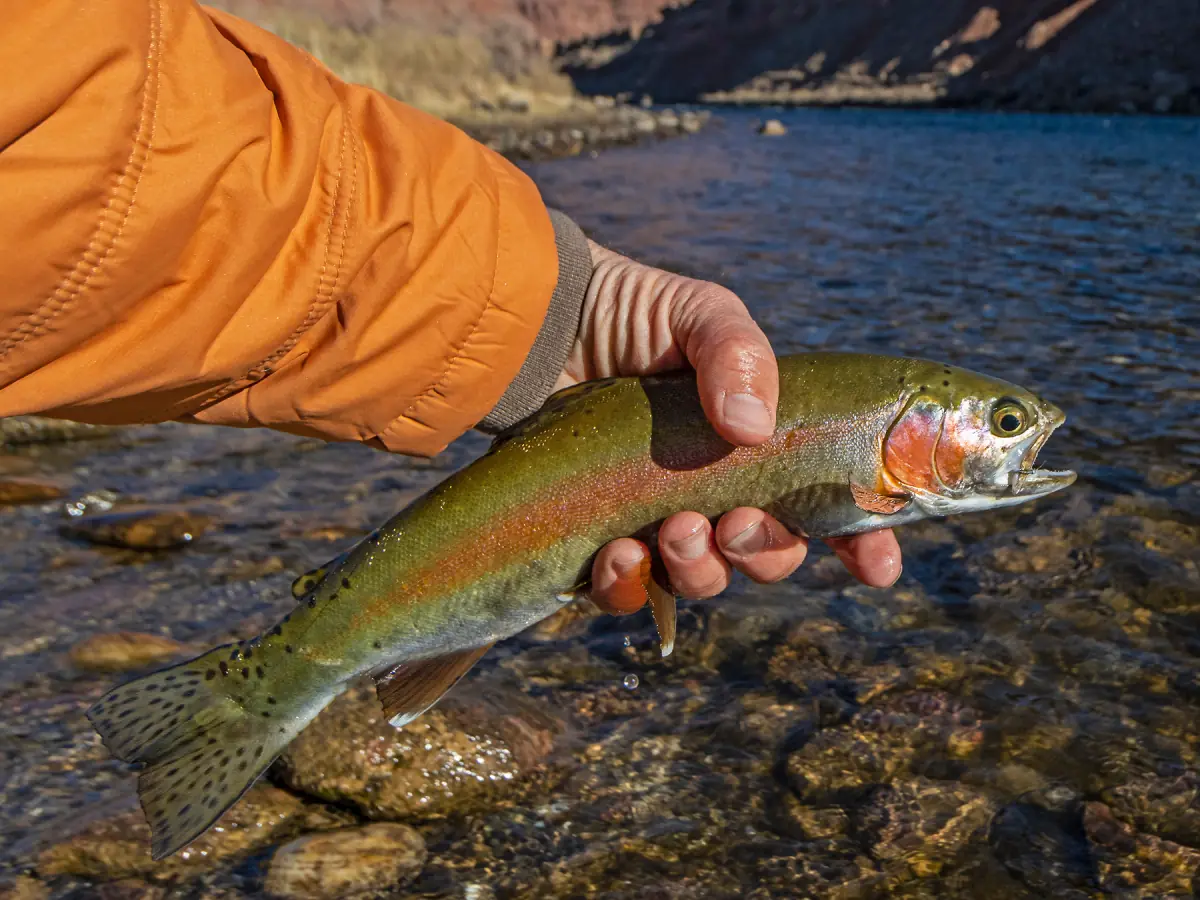
Fishing
You need an Arizona fishing license on the Colorado River. Children under 10 do not need one. Between the dam and Paria Riffle the limit is currently 2 rainbow trout per day, with artificial flies and lures only and barbless hooks. Lake Powell has its own rules, so do not mix the two.
Paddling upstream
Boaters between the dam and Lees Ferry need one free permit per group, for any kind of watercraft. Fill it in at the self-service kiosk at the launch, drop one copy in the box and carry the other. Walking and fishing from the bank do not need it. Details are on our Horseshoe Bend kayak page.
Everyone in a hand-powered boat must wear a US Coast Guard approved life jacket while underway. The river is cold, and warm air does not mean warm water. Hypothermia is a real risk, so do not plan on swimming. Flows can change, and above the buoys near the dam there is no normal recreation traffic.
What you need for each activity
Costs and paperwork at a glance, 2026.
| Activity | Entrance fee | Permit or license |
|---|---|---|
| Day visit by car | $30 per car for 7 days | None |
| Walking the riverbank | As above | None for walking |
| Bank fishing | As above | Arizona license (not under 10) |
| Kayak or boat upstream | As above | Free river permit, one per group |
| Private Grand Canyon river trip | As above | Grand Canyon river permit |
| The Wave or Paria Canyon overnight | Separate area | Special permit from the land agency |
For most day visitors, the entrance fee is all you need. Add a fishing license if you plan to fish, and the free permit only if you put a boat on the water.
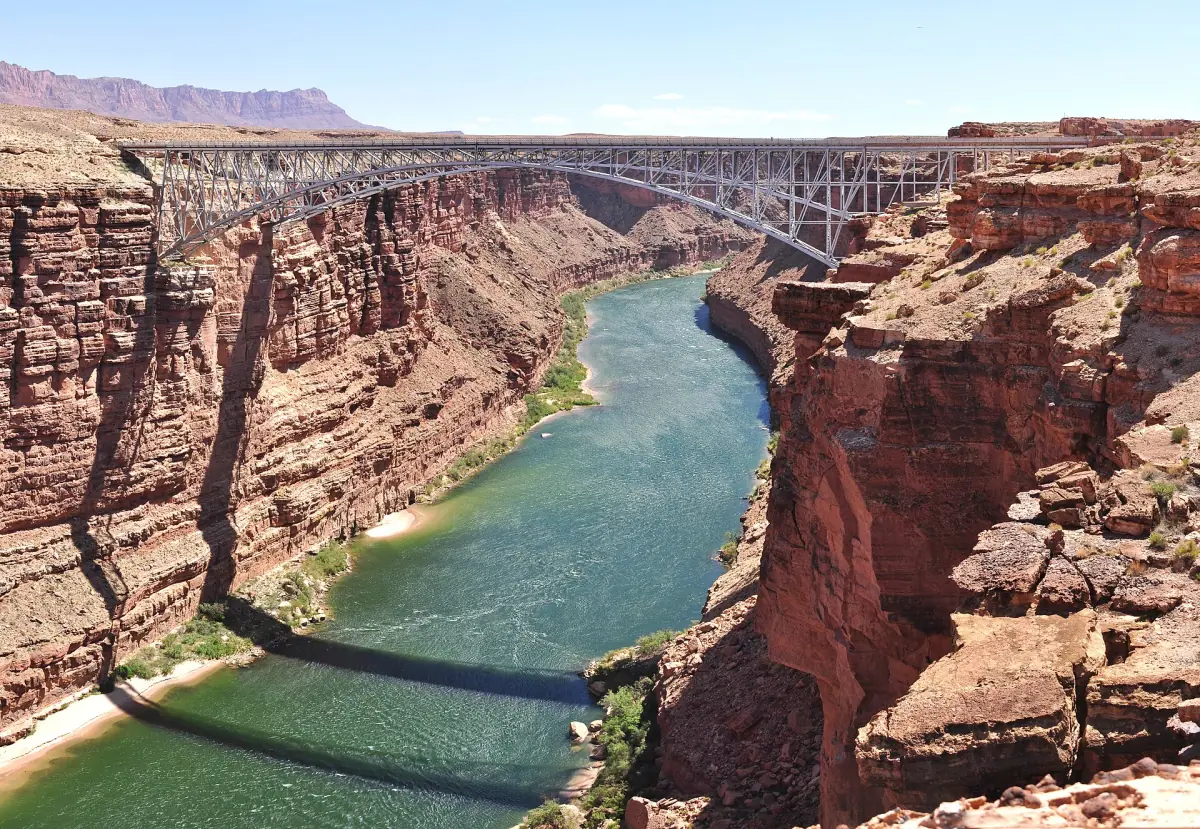
Navajo Bridge and Marble Canyon
The Navajo Bridge crosses Marble Canyon close to the Lees Ferry turnoff. The historic bridge is open to people on foot, next to the modern road bridge, which makes it an easy stop on the way. The Navajo Bridge Interpretive Center is at 1000 Highway 89A in Marble Canyon. Its hours follow the same seasons as the Carl Hayden Visitor Center: 9 a.m. to 5 p.m. from March to the end of October and 9 a.m. to 4 p.m. from November to the end of February (Arizona time).
Those hours apply to the center, not to the open-air bridge path. Check the current schedule before you plan around it.
Vermilion Cliffs and The Wave
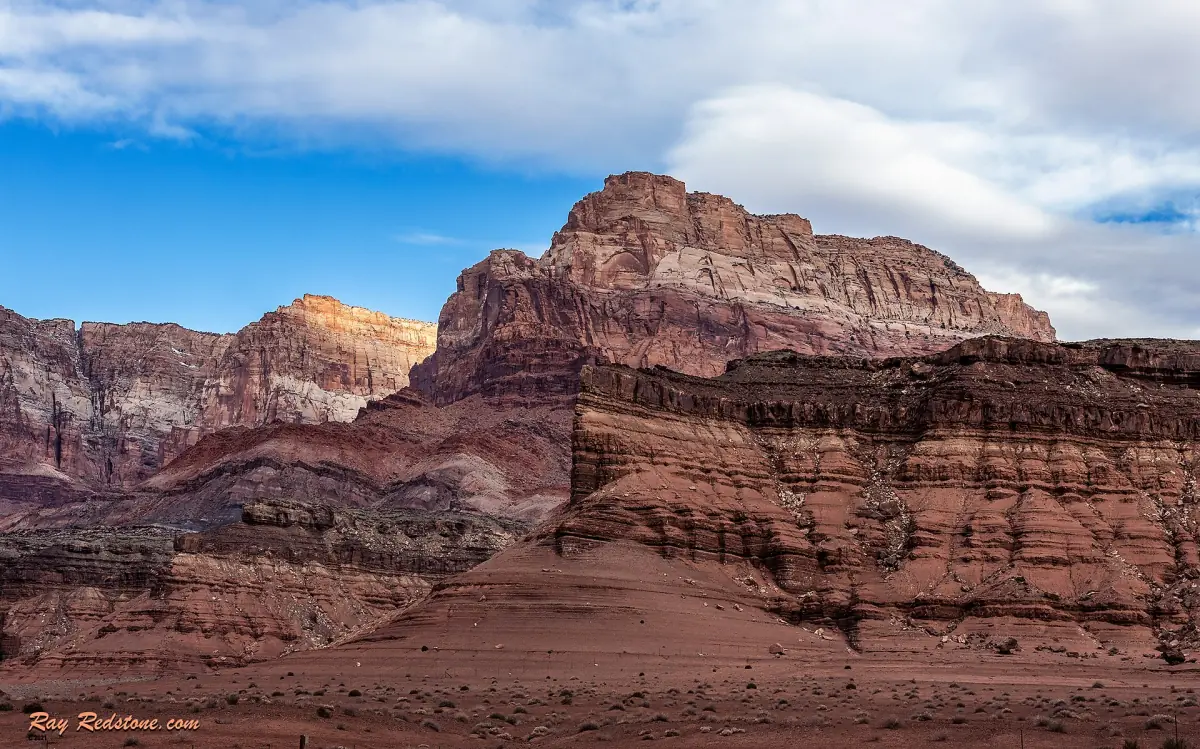
The red cliffs north of the highway are part of a different protected area managed by the Bureau of Land Management. Coyote Buttes North (The Wave), Coyote Buttes South and overnight trips in Paria Canyon all require permits from that agency. Your Glen Canyon entrance fee or pass does not replace them. For permit planning, see The Wave and Vermilion Cliffs on our Kanab guide.
Plan the rest of your trip
Lees Ferry works best as part of a larger loop.
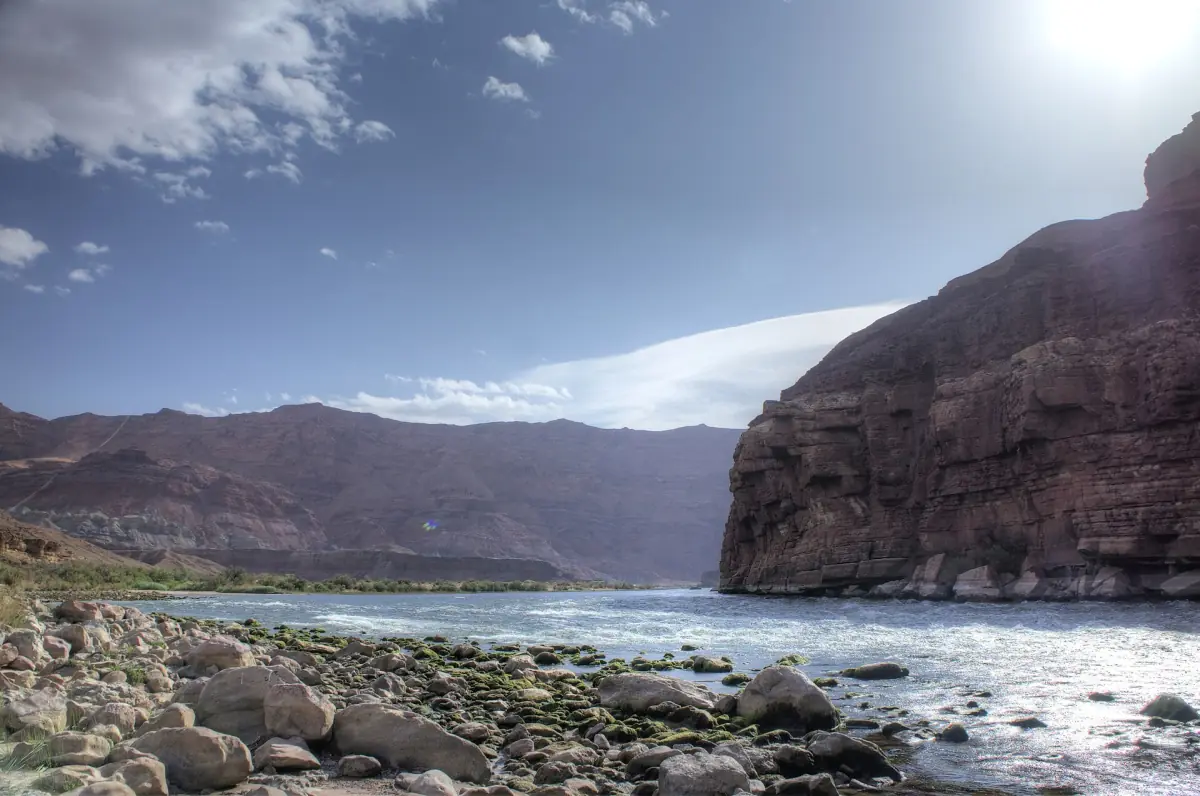
Kayak from Lees Ferry
Backhaul, permit and safety for the stretch to Horseshoe Bend.
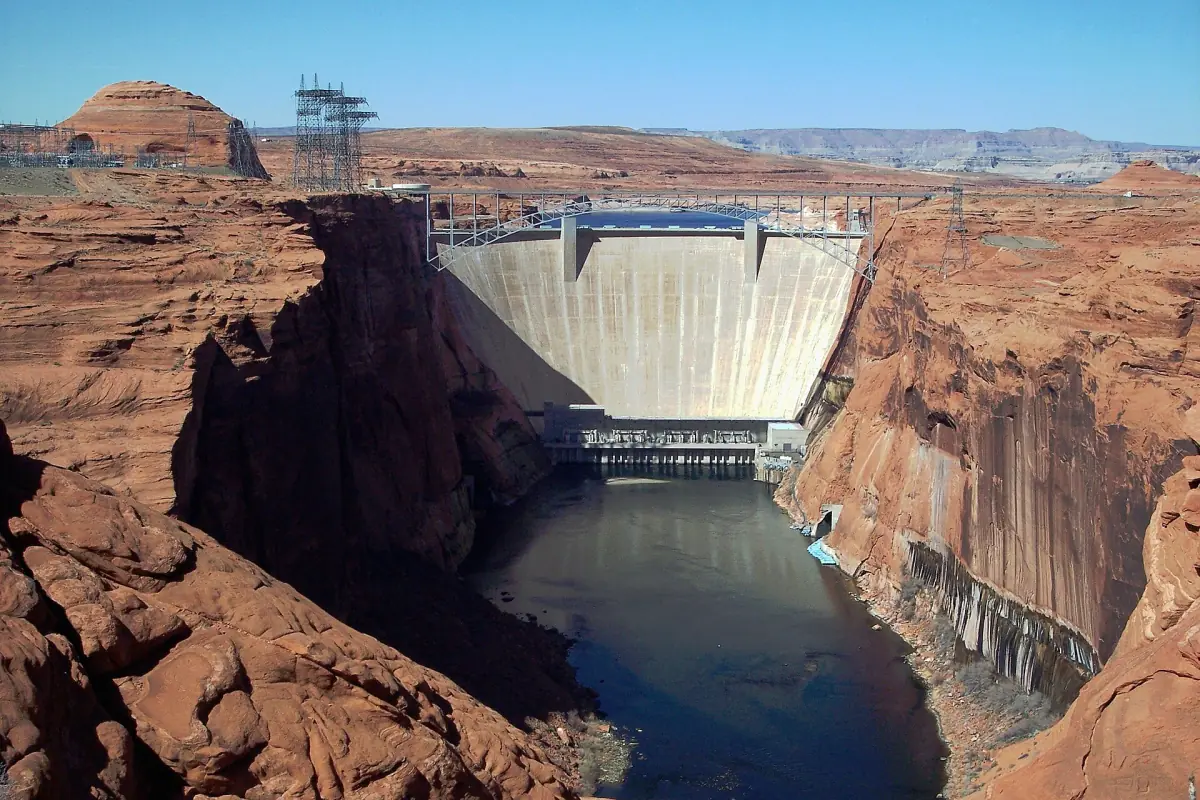
Glen Canyon Dam
Overlook, visitor center and access.
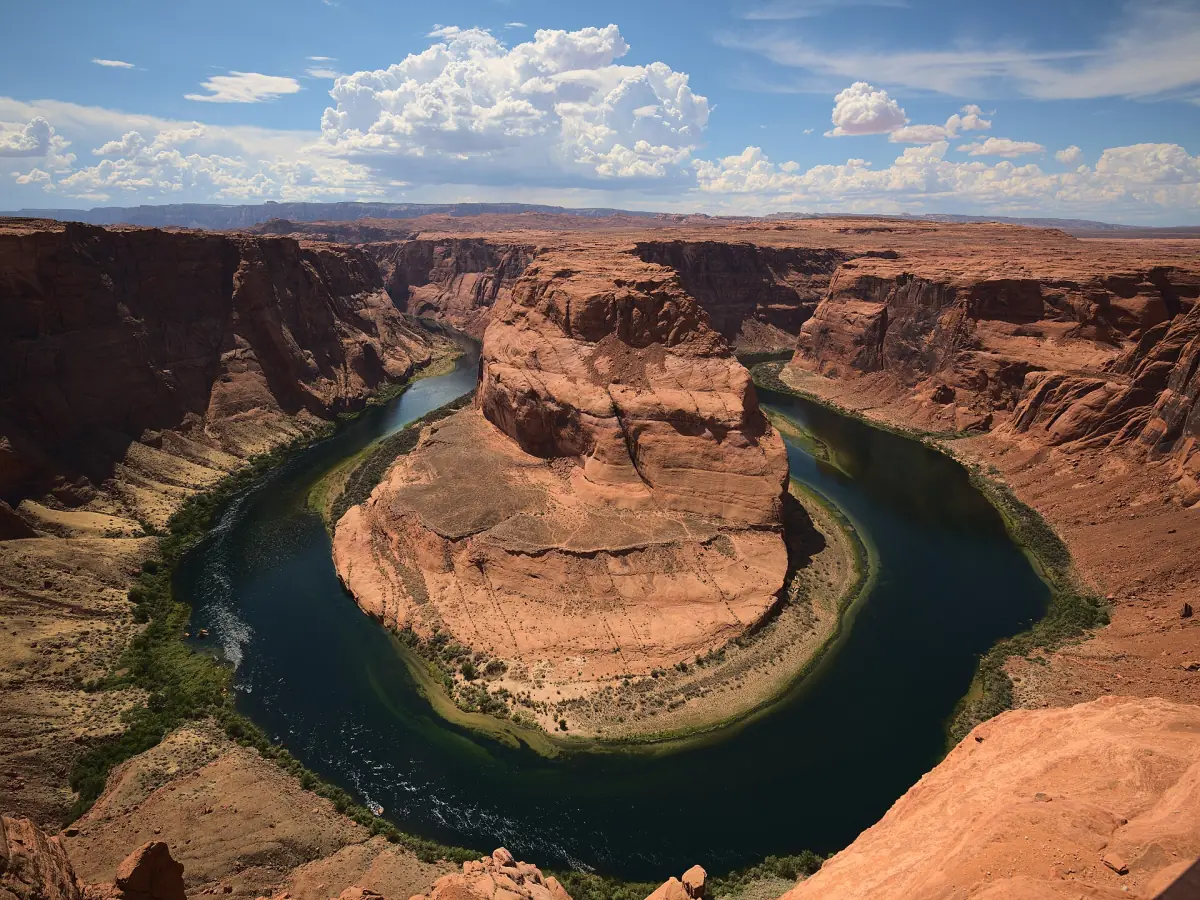
Horseshoe Bend overlook
Trail, parking and the rim.
Heat is the main hazard on exposed sections: bring water and avoid midday. Check the weather and seasons guide before you go, and read where to stay if you want an early river start.
Lees Ferry: frequently asked questions
Is Lees Ferry the same as Horseshoe Bend?
No. Horseshoe Bend is the overlook south of Page. Lees Ferry is the river access in Marble Canyon. The two are linked by the river, and kayak trips from Lees Ferry pass the bend, but you cannot walk between them.
Do I need a permit to kayak from Lees Ferry?
Yes. One free permit per group is required for any watercraft between the dam and Lees Ferry. Get it at the self-service kiosk at the launch, drop in one copy and carry the other.
Do I need a fishing license?
On the Colorado River you need an Arizona fishing license. Children under 10 do not. Check the current daily limit and gear rules before you fish.
How much does it cost to enter?
The Glen Canyon entrance fee is $30 per private car for 7 days in 2026, or $25 for a motorcycle pass. It is separate from the Horseshoe Bend parking fee.
Can I raft the Grand Canyon from here?
Yes, downriver trips start at Lees Ferry. Private multi-day trips need a Grand Canyon river permit, and commercial trips are booked through the operator.
Is this an official National Park Service site?
No. This is an independent travel guide. It is not the official website of the National Park Service, the City of Page or the Navajo Nation.